Anxiety with Proven
TLP Techniques
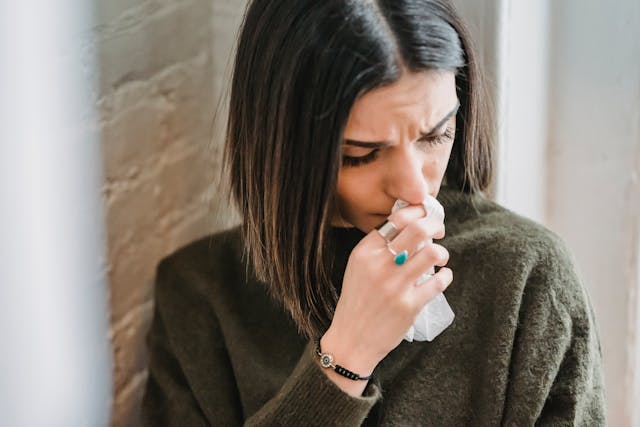
Anxiety with Proven TLP Techniques: Your Guide to Relief
Overcome anxiety with proven TLP techniques: Discover effective strategies to manage and reduce anxiety in this informative page.
Anxiety is a common mental health issue that affects millions of people worldwide, often making daily activities and interactions challenging. While there are many treatments available, integrating Therapeutic Lifestyle Practices (TLP) techniques into your routine can be incredibly effective. This comprehensive guide will explore various proven TLP techniques for anxiety relief, their benefits, and how to incorporate them into your life to manage anxiety effectively.
Before diving into anxiety with proven TLP techniques, it’s crucial to understand what anxiety is. Anxiety is a natural response to stress, characterized by feelings of worry, nervousness, or fear. While occasional anxiety is normal, chronic anxiety can interfere with daily activities and reduce quality of life. Common anxiety disorders include generalized anxiety disorder (GAD), panic disorder, social anxiety disorder, and specific phobias.
The Importance of TLP Techniques in Managing Anxiety
Therapeutic Lifestyle Practices (TLP) encompass a range of habits and routines that promote mental and physical health. TLP techniques focus on holistic well-being, addressing the root causes of anxiety rather than just the symptoms. Incorporating TLP techniques into your routine can lead to significant improvements in anxiety management and overall quality of life.
Proven TLP Techniques for Anxiety Relief
1. Regular Physical Exercise
Benefits: Physical exercise is one of the most effective TLP techniques for managing anxiety. It helps release endorphins, which are natural mood lifters, and reduces levels of stress hormones like cortisol.
Implementation: Aim for at least 30 minutes of moderate exercise, such as walking, jogging, or yoga, most days of the week. Activities like swimming, cycling, and dancing can also be beneficial.
2. Mindfulness Meditation
Benefits: Mindfulness meditation helps individuals stay present and focused, reducing the tendency to ruminate on anxious thoughts. It promotes relaxation and emotional regulation.
Implementation: Practice mindfulness meditation for 10-20 minutes daily. Use guided meditation apps or join a local meditation group to get started.
3. Healthy Diet
Benefits: A balanced diet can impact neurotransmitter function and stabilize blood sugar levels, both of which can affect mood. Nutrient-rich foods support brain health and reduce anxiety symptoms.
Implementation: Include plenty of fruits, vegetables, whole grains, lean proteins, and healthy fats in your diet. Avoid excessive caffeine, sugar, and processed foods.
4. Adequate Sleep
Benefits: Quality sleep is essential for mental health and can significantly reduce anxiety levels. It helps restore energy, regulate mood, and improve cognitive function.
Implementation: Establish a regular sleep schedule, create a restful environment, and practice good sleep hygiene, such as avoiding screens before bedtime.
5. Deep Breathing Exercises
Benefits: Deep breathing activates the parasympathetic nervous system, promoting relaxation and reducing stress. It can be practiced anytime, anywhere, making it a versatile TLP technique.
Implementation: Practice deep breathing exercises several times a day, especially during stressful moments. Techniques like diaphragmatic breathing and 4-7-8 breathing are particularly effective.
6. Social Connections
Benefits: Strong social connections provide emotional support, reduce feelings of isolation, and promote a sense of belonging. Interacting with loved ones can buffer against stress and anxiety.
Implementation: Make time for family and friends, join clubs or groups with similar interests, and engage in social activities. Volunteering and community involvement can also build meaningful connections.
7. Time Management
Benefits: Effective time management reduces the feeling of being overwhelmed and helps prioritize tasks, leading to lower anxiety levels. It promotes a sense of control and accomplishment.
Implementation: Use planners or apps to organize your schedule, break tasks into smaller steps, and set realistic goals. Allocate time for relaxation and self-care activities.
8. Limiting Alcohol and Nicotine
Benefits: Both alcohol and nicotine can exacerbate anxiety symptoms. Reducing or eliminating their use can lead to significant improvements in anxiety management.
Implementation: Gradually reduce the consumption of alcohol and nicotine, seeking support if needed. Replace these habits with healthier alternatives like herbal teas and relaxation techniques.
Integrating TLP Techniques into Daily Life
Incorporating anxiety with proven TLP techniques into your daily routine requires commitment and consistency. Here are some tips to help you get started:
Start Small
Begin with one or two practices that seem most manageable and gradually incorporate more. Starting small makes it easier to maintain changes and build new habits.
Set Realistic Goals
Establish achievable goals to avoid feeling overwhelmed. Break down larger goals into smaller, manageable steps to track progress and stay motivated.
Track Your Progress
Keep a journal to monitor how each practice affects your anxiety levels. Reflecting on your progress can provide insights and help you adjust your approach as needed.
Seek Professional Guidance
Consult with healthcare providers, such as therapists or dietitians, to develop a personalized plan. Professional guidance ensures that you are using TLP techniques effectively and safely.
The Science Behind TLP Techniques for Anxiety Relief
Research supports the effectiveness of anxiety with proven TLP techniques. Studies have shown that regular physical exercise can reduce symptoms of anxiety and depression. Mindfulness meditation has been linked to changes in brain regions associated with attention and emotion regulation. A healthy diet, rich in omega-3 fatty acids and probiotics, has been found to positively impact mood and reduce anxiety.
Frequently Asked Questions (FAQs)
What are TLP techniques?
How do TLP techniques help with anxiety?
Can TLP techniques replace medication for anxiety?
How quickly can I see results from TLP techniques for anxiety relief?
What types of foods should I eat to reduce anxiety?
Is it necessary to practice all TLP techniques daily?
Can social connections really help with anxiety relief?
How can I improve my sleep for anxiety relief?
Are there any risks associated with TLP techniques for anxiety relief?
How can I maintain consistency with TLP techniques for anxiety relief?
Conclusion on Anxiety with Proven TLP Techniques
Managing anxiety with proven TLP techniques can significantly improve your mental and physical well-being. By understanding and adopting these practices, you can better manage anxiety and lead a healthier, more balanced life. Whether it’s through regular exercise, mindfulness meditation, a healthy diet, or strong social connections, finding the right combination of TLP techniques can make a substantial difference in your quality of life. If you or someone you know struggles with anxiety, consider exploring these lifestyle practices and seek professional guidance to develop a personalized plan for effective anxiety management.